



Product Center
产品中心

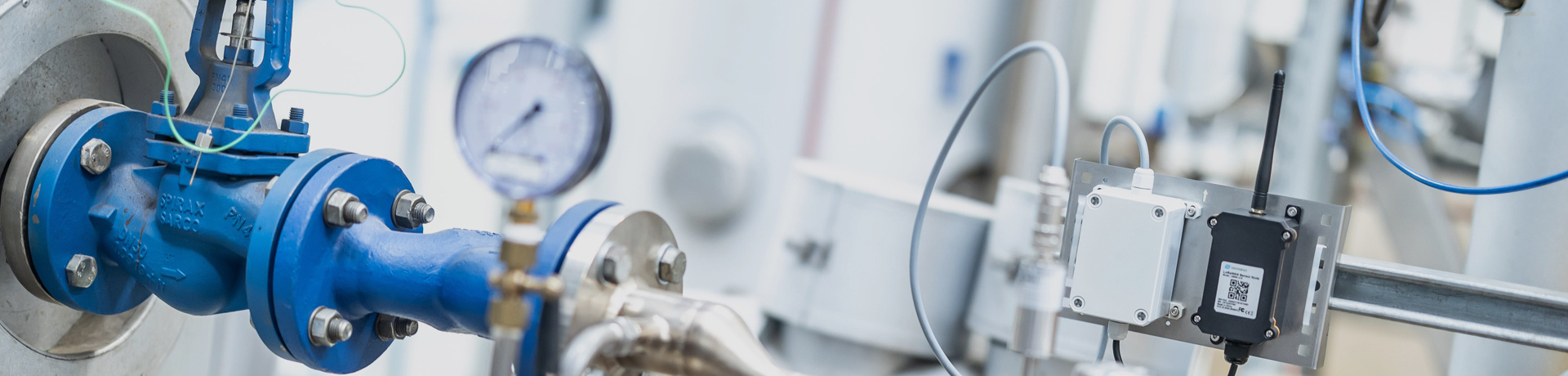
Wireless pressure transmitters are applied in smart firefighting.
Details
Product Parameters
Cases
Download
The core of smart firefighting is the intelligent integration of "sensing, early warning, and response." Pressure transmitters serve as the foundation for achieving "sensing."
1. From "Passive Response" to "Proactive Early Warning"
Smart Fire Protection: By continuously monitoring with pressure transmitters, potential hazards such as the "gradual decline in network pressure" can be detected on a daily basis, enabling timely alerts and allowing issues to be addressed before they escalate—ensuring the system remains fully ready for action at all times.
2. Achieve "Visual" Management
All data from the pressure monitoring points are aggregated into the smart fire-fighting cloud platform or the monitoring dashboard. Administrators can instantly grasp the overall pressure distribution of the fire water system across the entire building or area, enabling them to quickly pinpoint any abnormal areas.
3. Empowering Big Data Analytics and Predictive Maintenance
The platform continuously records historical pressure data, and through analysis, it can:
Identifying leakage patterns: A slow decline in the pressure curve during nighttime when no one is present is a typical sign of a leak.
Predicting equipment lifespan: A gradual decline in pump pressure may indicate impeller wear or blockage.
Optimizing operations and maintenance strategies: shifting from "scheduled inspections" to "on-demand maintenance" significantly boosts operational efficiency while reducing labor costs.
4. Enhance Emergency Command Efficiency
When a fire occurs, the command center can use pressure data to monitor the water supply status of the network in real time, providing critical data support for commanders to make decisions—such as whether or not to activate fire trucks to boost water pressure.
Recommended Products


Online Inquiry
If you encounter any problems or have good ideas about our services, please tell us to help us serve you better!
Huaibei Huadian Automation Technology Co., Ltd.
Email:8001@huadianauto.com
Address: University Science Park, Economic Development Zone, Xiangshan District, Huaibei City, Anhui Province
3D Virtual Exhibition Hall
Douyin Official Media
Flagship Micro Mall
WeChat Official Account