



Product Center
产品中心

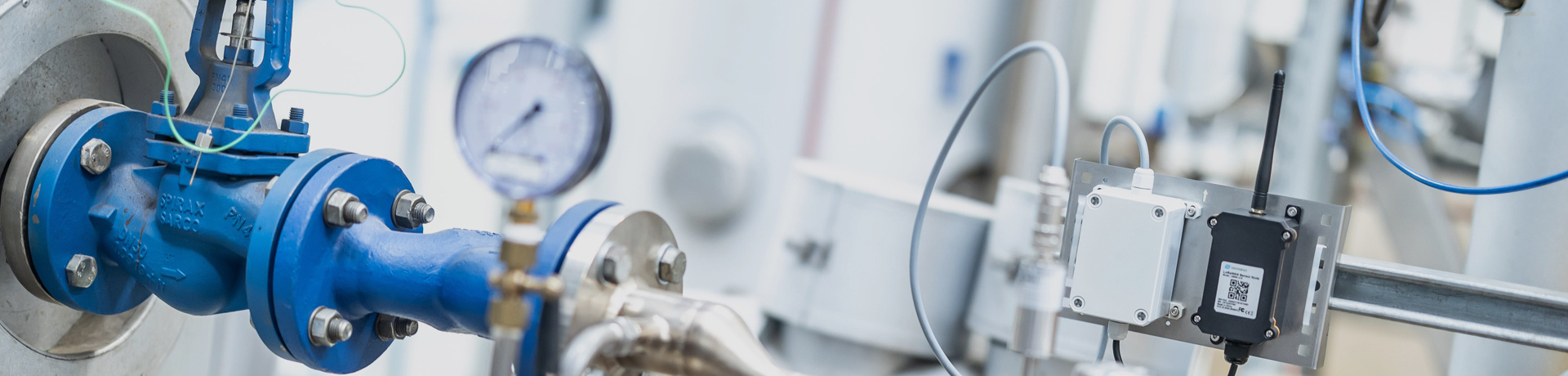
Pressure transmitters and electromagnetic flowmeters, used in constant-pressure water supply systems
Details
Product Parameters
Cases
Download
1. Exceptional Pressure Stability: The pressure transmitter delivers real-time, continuous, and highly accurate pressure feedback, enabling the control system to instantly respond to even the slightest pressure fluctuations—and promptly adjust the pump speed for immediate compensation. Users experience "consistently stable water pressure, ensuring strong and steady flow every time the faucet is turned on."
2. Rapid Dynamic Response: The system detects pressure changes and executes compensation with exceptional speed, effectively preventing the "water hammer effect" (the sudden banging sound in pipes caused by abrupt water shut-off) and pressure "surges"—common issues found in traditional systems.
3. Intelligent Pump Group Scheduling: The real-time flow data provided by the electromagnetic flowmeter serves as the "smart brain" enabling the PLC to perform coordinated control of multiple pumps. Based on actual water demand, the system intelligently determines the optimal timing to start or stop auxiliary pumps, ensuring smooth transitions and preventing single-pump overload or frequent pump cycling.
4. Wide Flow Adaptation Range: Whether it's the minimal flow (dripping) late at night or the ultra-high flow during peak hours, the system can maintain stable pressure across the entire range by adjusting frequency and combining pump units as needed.
Recommended Products


Online Inquiry
If you encounter any problems or have good ideas about our services, please tell us to help us serve you better!
Huaibei Huadian Automation Technology Co., Ltd.
Email:8001@huadianauto.com
Address: University Science Park, Economic Development Zone, Xiangshan District, Huaibei City, Anhui Province
3D Virtual Exhibition Hall
Douyin Official Media
Flagship Micro Mall
WeChat Official Account